- Roof slope affects which materials, drainage methods, and installation techniques are appropriate for your building.
- Low-slope systems are common on warehouses, offices, and other large commercial properties, while steeper systems are often used where visible roof design and faster water shedding are priorities.
- The right system depends on your building structure, local climate, maintenance needs, and long-term budget.
Commercial roofs do not all function the same way. A large warehouse may have a nearly level roof, while an office, retail property, or multifamily building may have a clearly visible pitch. Sprague Roofing helps Montana property owners understand how roof slope affects materials, drainage, maintenance, and long-term performance before choosing a roofing system.
What Is a Low-Slope Commercial Roof?
Low-slope roofing is common on commercial and industrial buildings because it works well across large roof areas and can accommodate equipment such as HVAC units.
Although these roofs may look flat, they still need enough slope to direct water toward drains, scuppers, or gutters. Because water moves more slowly, these systems typically rely on continuous weatherproof membranes.
Common applications include warehouses, shopping centers, offices, and manufacturing facilities.
What Is a Steep-Slope Commercial Roof?
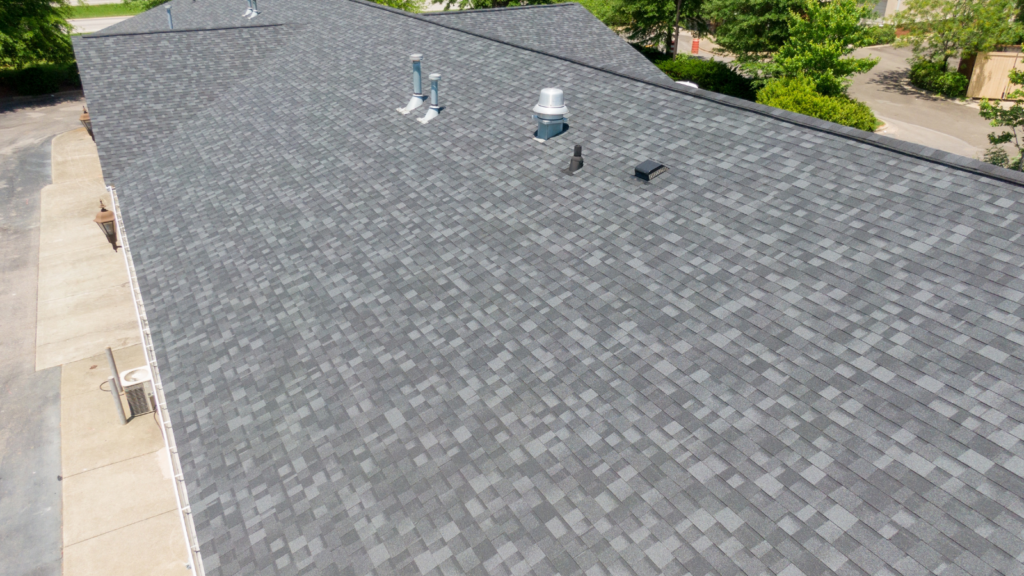
Steep-slope roofing uses gravity to move rain and melting snow away from the roof surface. Because these roofs are often more visible, appearance can matter as much as weather protection.
Materials may include asphalt shingles, metal panels, tile, or other products designed for pitched applications.
This approach is often used on commercial properties with smaller roof areas, prominent entrances, or more visible architectural designs.
How Does Roof Slope Affect Material Selection?
Among the different commercial roofing types, slope is one of the first factors that determines which materials are appropriate.
- Low-slope systems need materials and seams designed to resist water intrusion when moisture does not immediately run off the surface.
- Steeper roofs can use overlapping materials because gravity helps carry water downward.
Using a product on a slope it was not designed for can affect drainage and long-term performance.
How Do Performance and Maintenance Compare?
When considering a flat roof vs. pitched roof for commercial buildings, neither option is automatically better. Each has different maintenance priorities.
Low-slope roofs require particular attention to:
- Drains and areas where water may collect
- Membrane seams and penetrations
- Flashing around rooftop equipment
- Damage caused by foot traffic
Steeper roofs generally shed rain and snow more quickly, but flashing, gutters, shingles, panels, and other exposed components still require inspection and maintenance.
Montana weather makes routine roof inspections important for either design. Snow, wind, temperature changes, and seasonal storms can all place stress on commercial roofing materials.
What About Cost and Energy Efficiency?
Roofing costs depend on much more than slope. Building size, existing roof condition, insulation, materials, access, drainage, and installation requirements all influence the final investment.
- Low-slope designs can be practical for covering large commercial spaces efficiently. They can also provide room for insulation and mechanical equipment.
- Steeper roofs may involve more complex installation but can provide effective drainage and a distinctive architectural appearance.
Energy performance also depends heavily on insulation, roof color, material selection, and the overall roof assembly.
Which Roofing System Is Right for Your Building?
Before recommending a roofing system, we consider the existing structure, drainage, climate exposure, intended use, maintenance expectations, and budget.
Sprague Roofing provides commercial roofing services using quality materials and an experienced team serving Billings and surrounding communities. With more than 150 years of combined roofing and construction management experience, our focus is on helping property owners make informed decisions.
If your commercial property needs a new roof, replacement, or professional evaluation, call Sprague Roofing at (406) 534-1222 or request a complimentary inspection.
Image source: Photographer: Oak City Drone / Shutterstock